Reports
National Mining and Energy Planning Unit (UPME). Bogotá, Colombia, 2026.
Contributing author; energy modeler.
Volume II of Colombia's National Energy Plan 2025–2055 presents the quantitative results of the three long-term scenarios explored in the planning process. Demand, supply, and emissions projections extend to 2055 within the Just Energy Transition framework, with emphasis on equity, reindustrialization, and a gradual move away from fossil fuel dependence.
National Mining and Energy Planning Unit (UPME). Bogotá, Colombia, 2026.
Contributing author; transport electrification modeling.
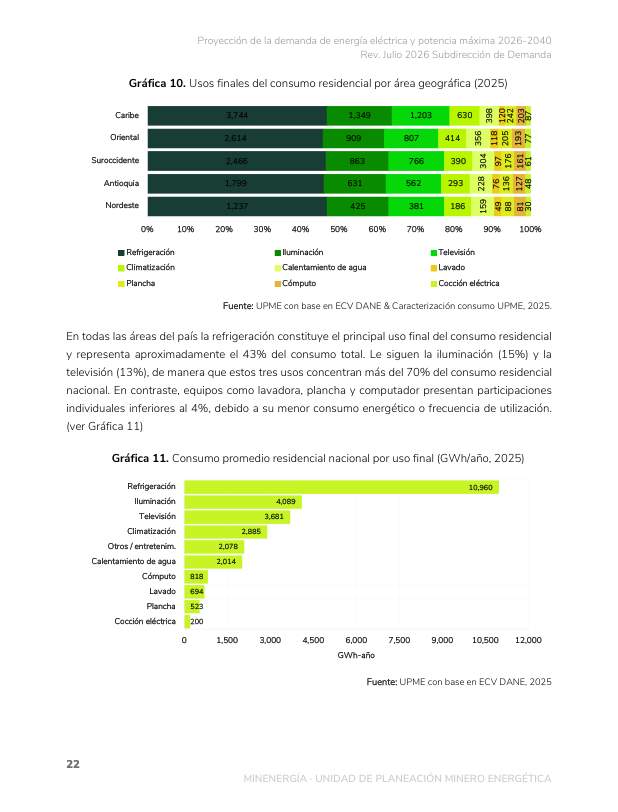
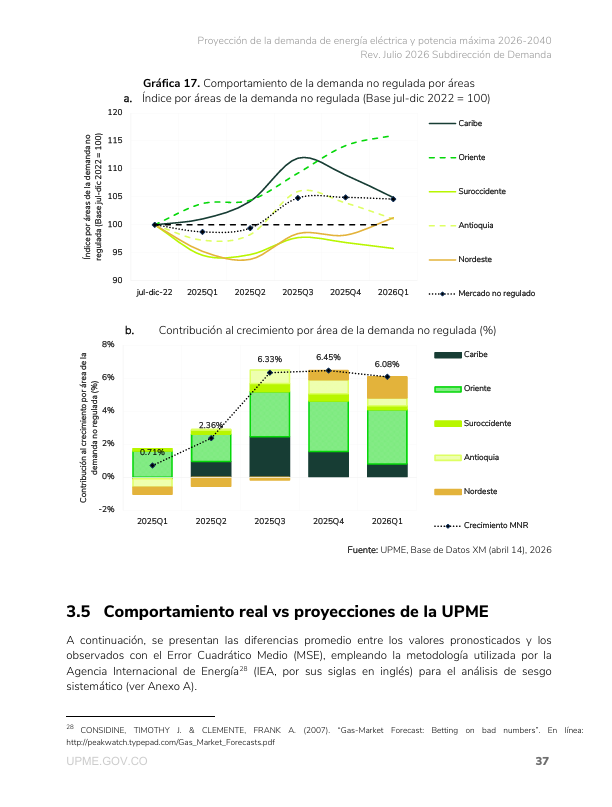
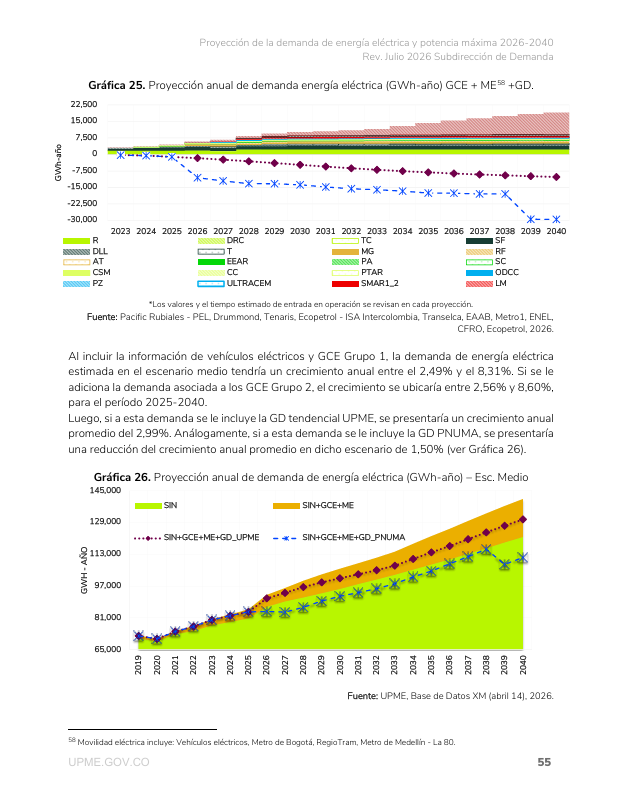
Updated electricity demand and maximum power projections for Colombia's National Interconnected System through 2040. The July 2026 revision integrates territorial disaggregation of residential consumption, refreshed sectoral data, and an assessment of El Niño effects on second-semester demand.
National Mining and Energy Planning Unit (UPME). Bogotá, Colombia, 2025.
Contributing author; energy modeler.
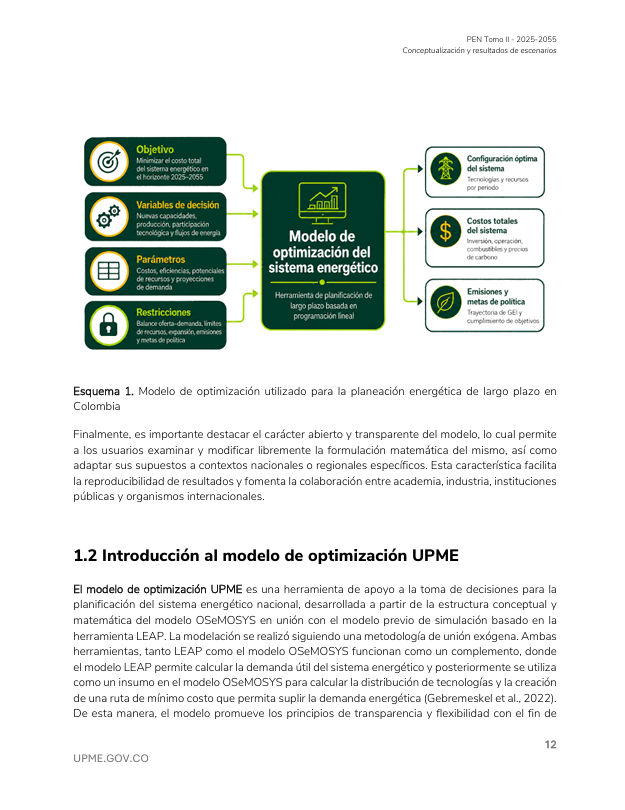
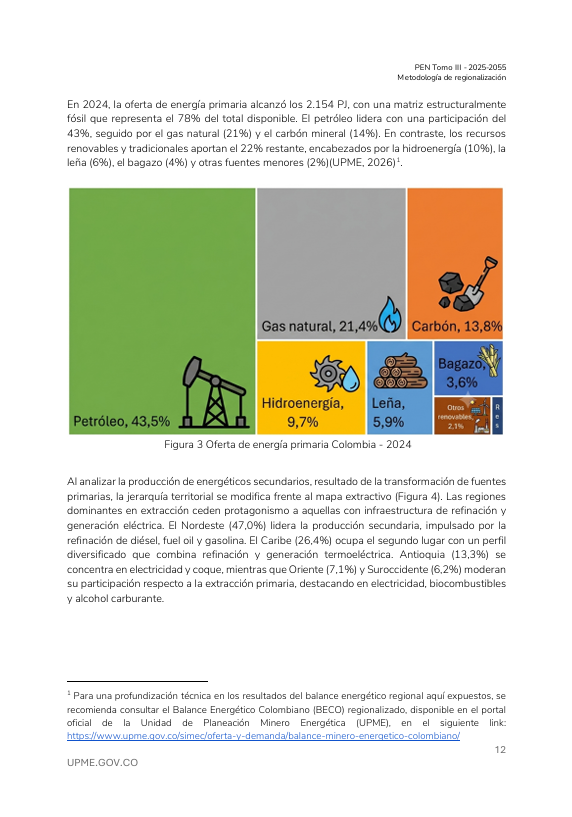
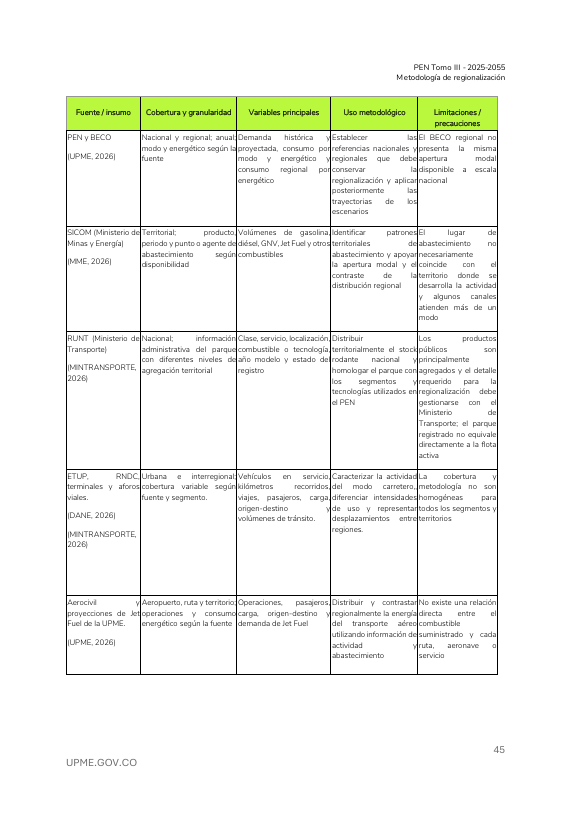
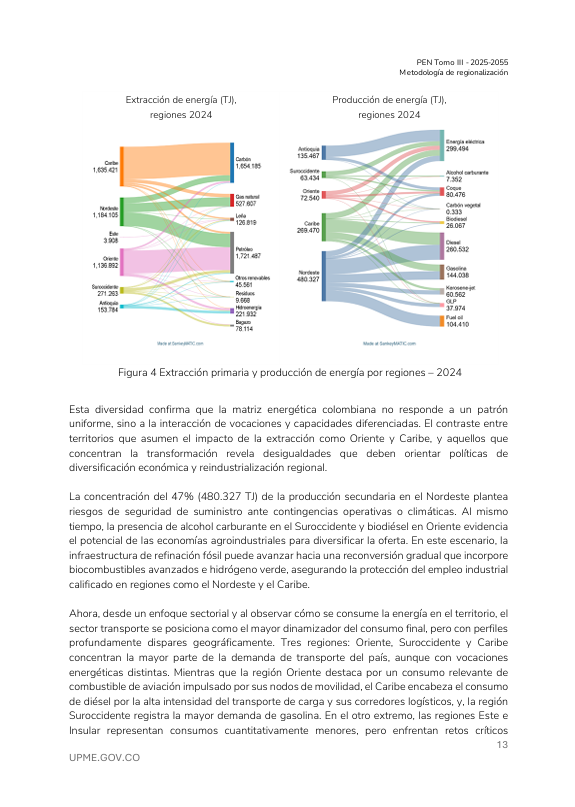
Methodology for disaggregating the National Energy Plan projections to the subnational level across seven planning regions, using LEAP and OSeMOSYS. The framework identifies regional energy access gaps, renewable potential, and differentiated transition pathways.
National Mining and Energy Planning Unit (UPME). Bogotá, Colombia, 2025.
Contributing author; energy modeler.
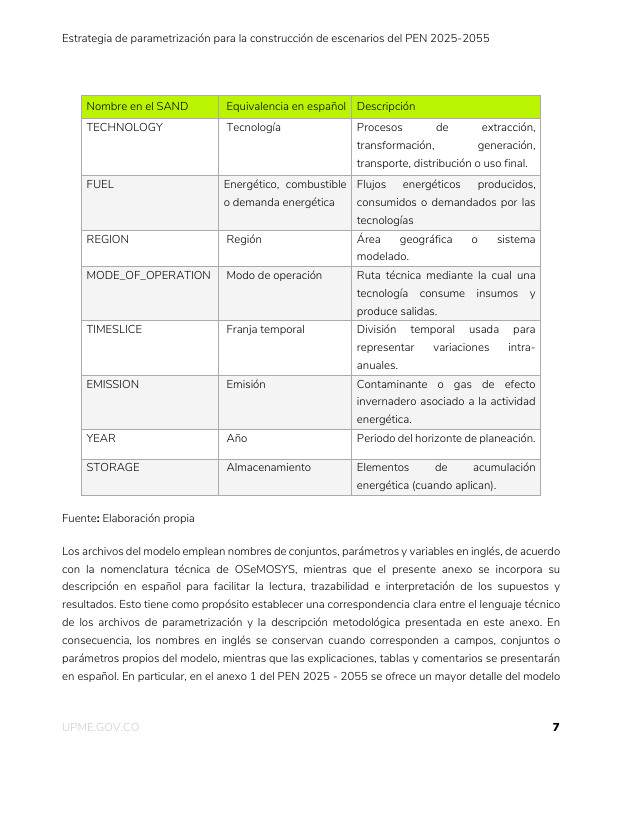
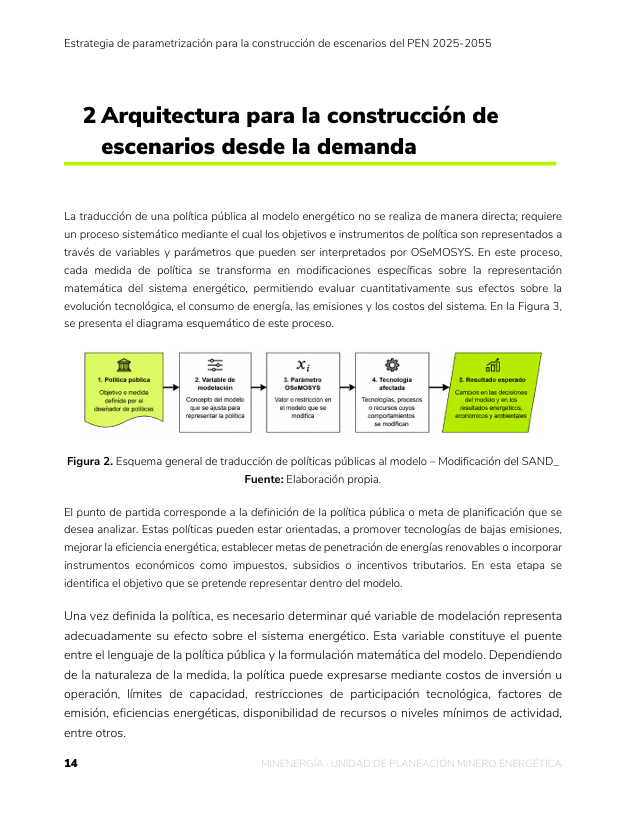
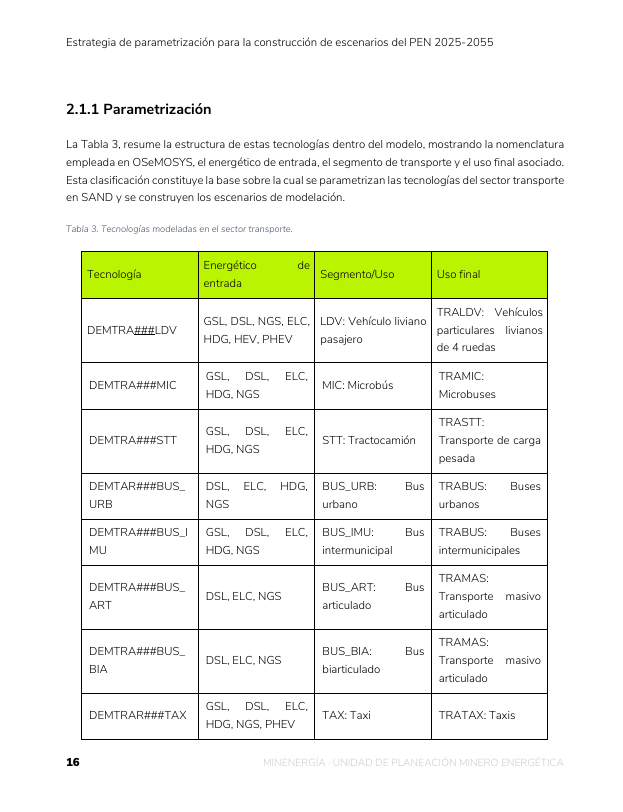
Documents how the energy scenarios of Colombia's National Energy Plan 2025–2055 were built using OSeMOSYS and the SAND data management tool, detailing how technical, economic, and regulatory features of the Colombian energy system were translated into model inputs.

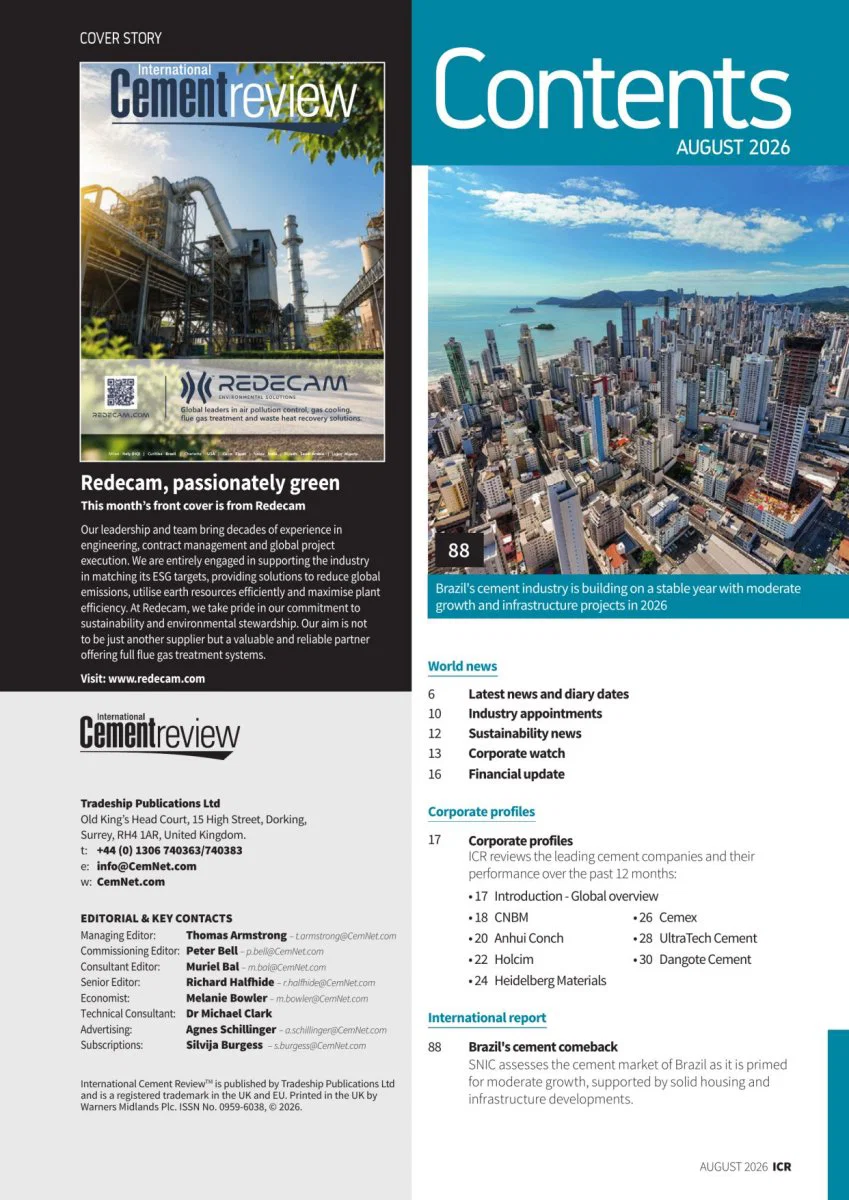


Camargo-Bertel, A. A., A. González-Quiroga, and O. Pupo-Roncallo. International Cement Review, August 2026.
Latin America and the Caribbean produced around 183 Mt of cement in 2024. The article examines near-term measures available to the sector and what it will take to make next-generation decarbonization projects financially viable in the region — from standards reform and alternative fuels to electrification and CO₂ infrastructure.
Camargo-Bertel, A. A. Universidad del Norte, Barranquilla, Colombia, 2024.
Advisors: Prof. Dr. Ing. Oscar Pupo Roncallo and Prof. Dr. Ing. Arturo González Quiroga.
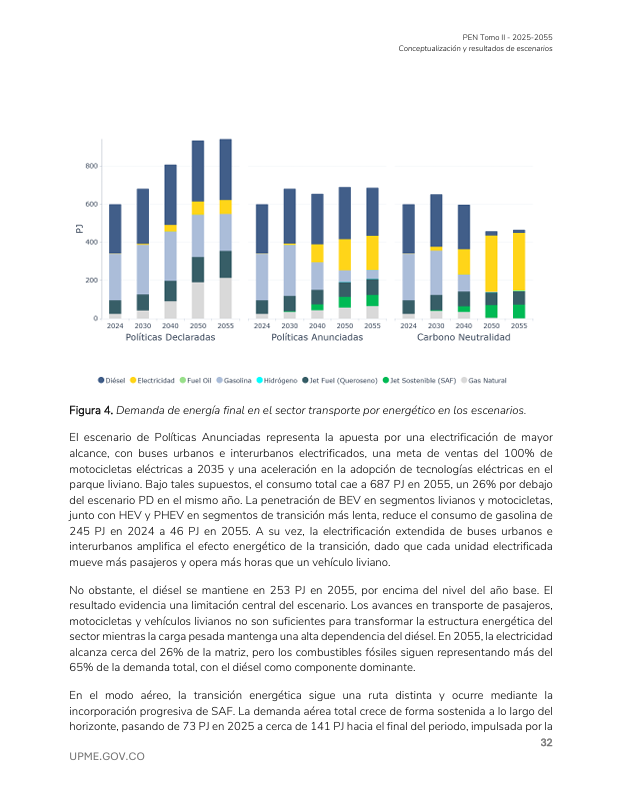
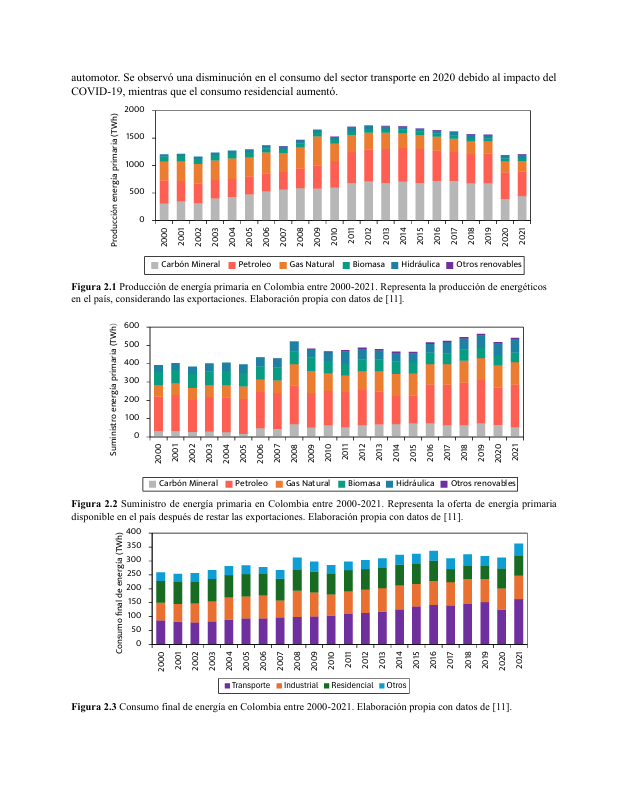
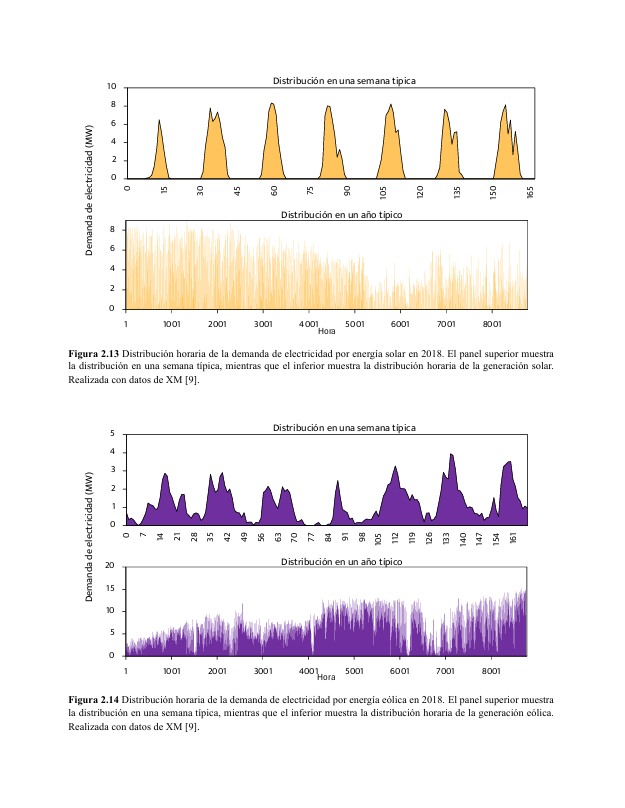
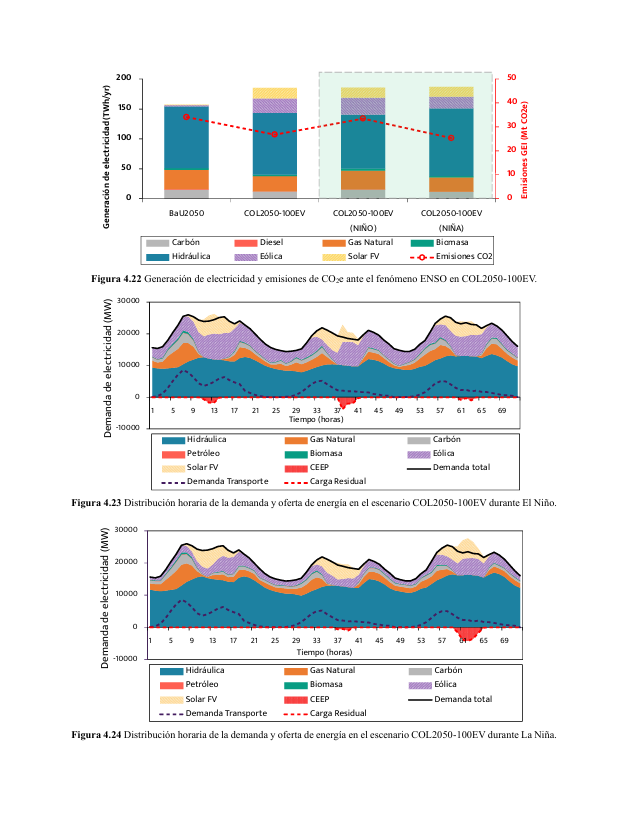
Evaluates the impact of passenger road transport electrification on non-conventional renewable energy integration and greenhouse gas mitigation in Colombia's energy system toward 2030 and 2050, modeled using EnergyPLAN. Increased EV adoption reduces emissions by 4.2% by 2030 and 15% by 2050 under projected national scenarios; a fully electrified fleet could reach reductions of up to 35% by 2050.